Industry Insight
What Is an Air Entraining Agent and When Should You Use One?
An air entraining agent is an admixture that creates tiny, stable air bubbles in mortar or concrete, improving workability and resistance to freeze and thaw damage.
5 min read UKCP Technical Team
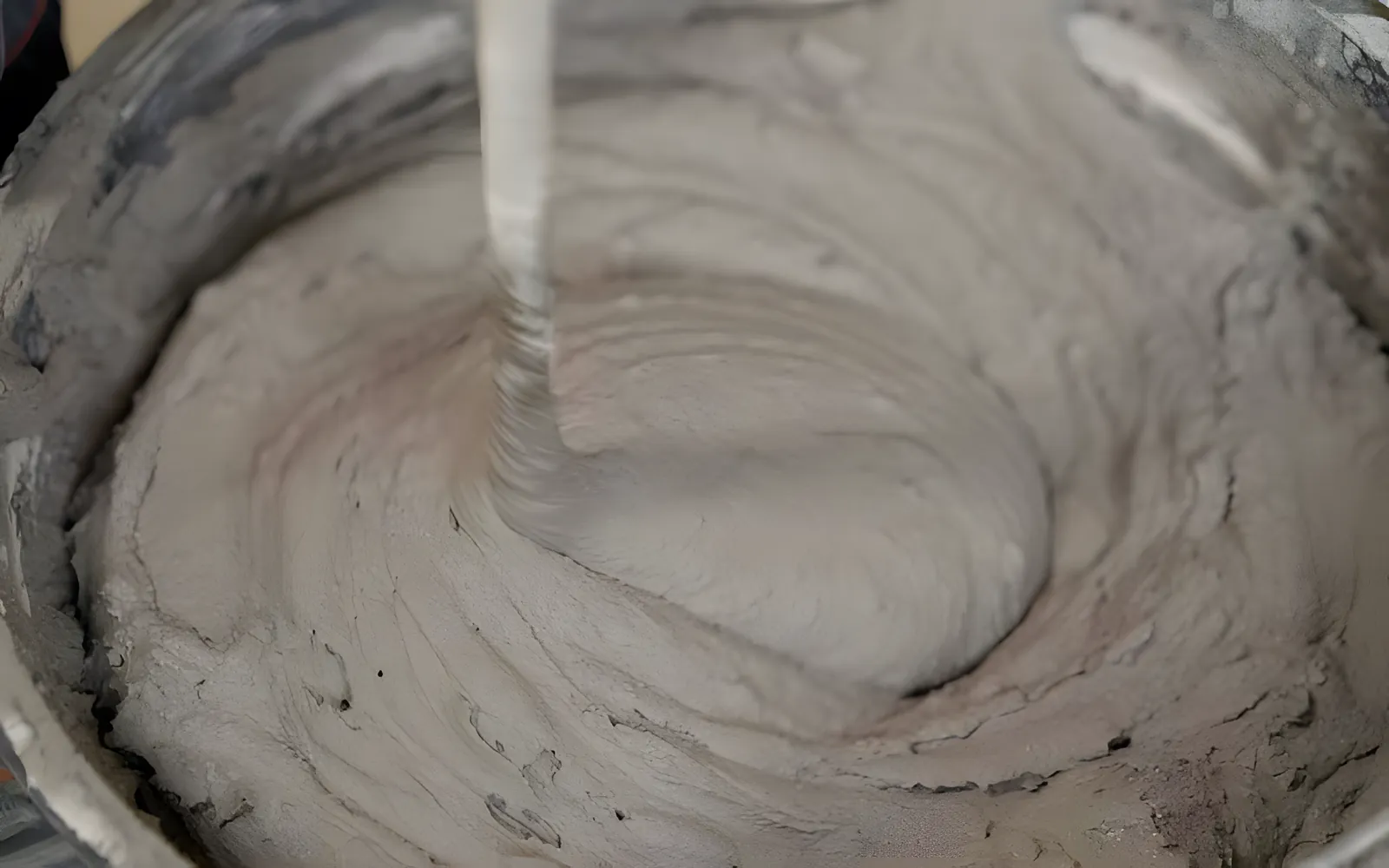
An air entraining agent (AEA) is an admixture that introduces a controlled amount of very small, stable, evenly distributed air bubbles into mortar or concrete during mixing. Those bubbles make the fresh mix more workable and cohesive and, once it has hardened, give it much better resistance to damage from freezing and thawing.
Key takeaways
- Air entraining agents are surface active admixtures that stabilise tiny air bubbles formed during mixing.
- Entrained air improves workability and cohesion, reduces bleeding and greatly improves freeze and thaw resistance.
- Too much air reduces strength and bond, so dosage and mixing must be controlled and checked.
- Liquid AEAs suit wet batching, while powder AEAs suit factory made dry mortars.
- UKCP supplies both Liquid AEA and Powder AEA.
How does an air entraining agent work?
Air entraining agents are surfactants. Whenever mortar or concrete is mixed, air is folded into it. Without an admixture, much of that air forms large, unstable voids that either escape or remain as irregular pockets. An AEA reduces the surface tension of the mixing water and stabilises the air as a large number of tiny, separate bubbles that stay dispersed through the cement paste.
It is important to separate entrained air from entrapped air. Entrapped air is made up of larger, irregular voids left by incomplete compaction, and it does nothing useful. Entrained air is deliberate, finely divided and evenly spread, and it changes how the material behaves both fresh and hardened.
What are the benefits of entrained air?
Better workability and cohesion
The tiny bubbles act a little like ball bearings between the sand grains, making the mix easier to spread, trowel and compact. Mortars become more cohesive and easier to handle, which is why bricklayers value air entrained mortar for spreading bed joints and buttering units.
Less bleeding and segregation
Air bubbles help to hold water and fine particles in suspension. That reduces bleeding, where water rises to the surface, and segregation, where the heavier particles settle out.
Resistance to freeze and thaw damage
This is the main reason air entrainment is specified for exposed concrete. When water in the pores of hardened concrete or mortar freezes, it expands. The entrained bubbles provide space for that expansion, relieving internal pressure that would otherwise crack and spall the surface. Air entrained concrete is therefore widely used for external paving, hardstandings and other surfaces exposed to frost and de-icing salts.
Lower density
Entrained air lowers the density of the mix, and the improved workability can allow the water content to be reduced for the same consistence.
Are there any drawbacks?
Air entrainment is a balance. The main points to manage are:
- Lower strength. As air content rises, compressive strength generally falls, so the mix design must balance workability and durability against strength.
- Reduced bond. Excessive air can reduce the bond between mortar and masonry units or backgrounds.
- Variability. The amount of air entrained is sensitive to materials, mixing and temperature, so it needs to be checked rather than assumed.
What affects the amount of air entrained?
| Factor | General effect |
|---|---|
| Dosage | More admixture generally entrains more air, up to a point |
| Mixing time and energy | Too little mixing may not develop the air; prolonged mixing can change the air content |
| Sand grading and fines | The fineness of the sand and the fines content affect how much air is stabilised |
| Cement and additions | Cement type and additions such as fly ash can change the dose needed |
| Temperature | Higher temperatures generally reduce the air entrained for a given dose |
| Other admixtures | Some admixtures interact with AEAs, so combinations should be trialled |
Because so many factors are involved, the only reliable approach is to trial the admixture with your own materials and check the air content of the fresh mix.
When should you use an air entraining agent?
Air entraining agents are commonly used in:
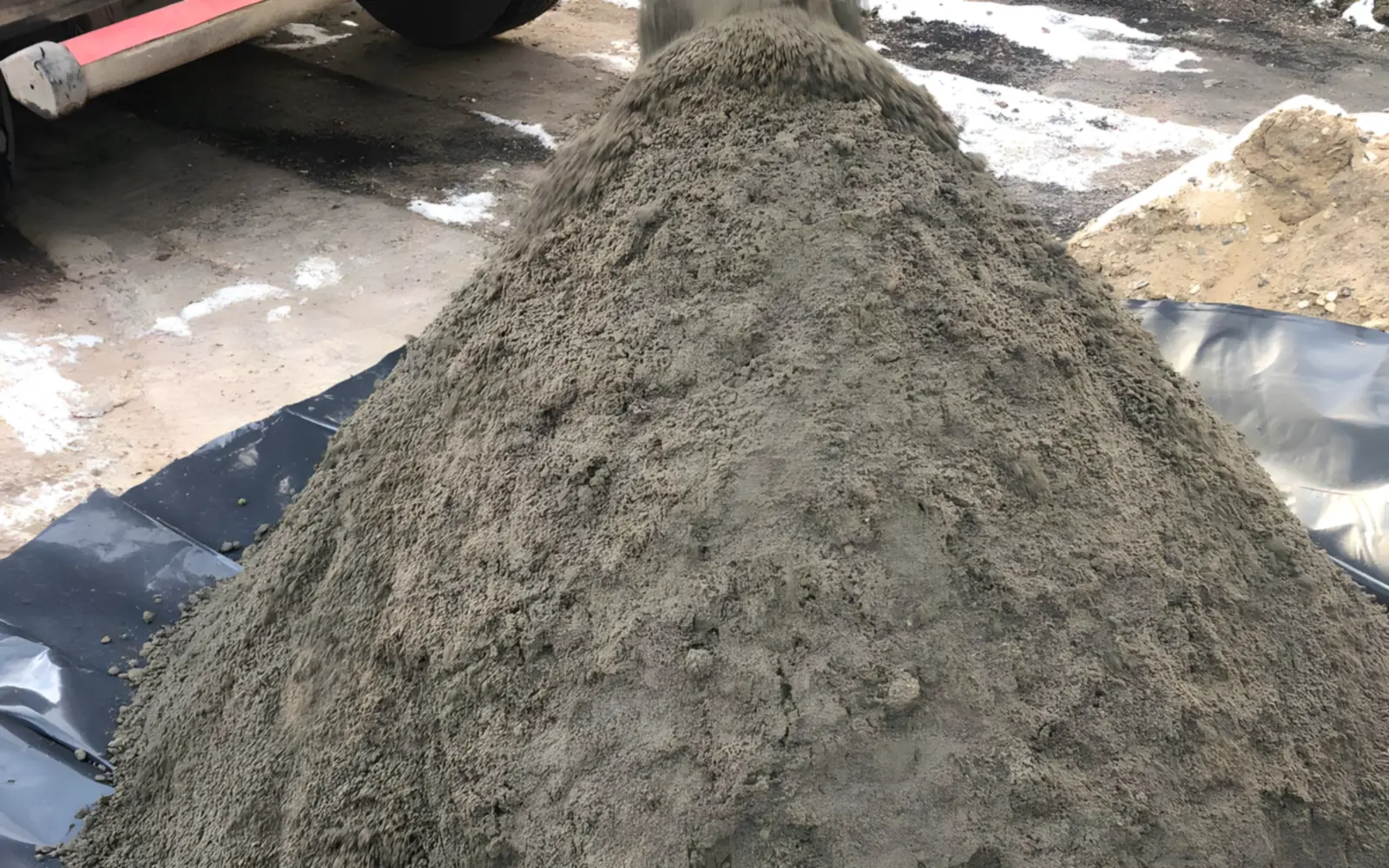
- Masonry mortars for brickwork and blockwork, where workability, cohesion and durability all matter. Masonry mortars are covered by BS EN 998-2.
- Renders, to improve workability and frost resistance. Rendering and plastering mortars are covered by BS EN 998-1.
- Factory made dry mortars, bagged or silo, where a powder AEA is blended into the dry mix at the plant.
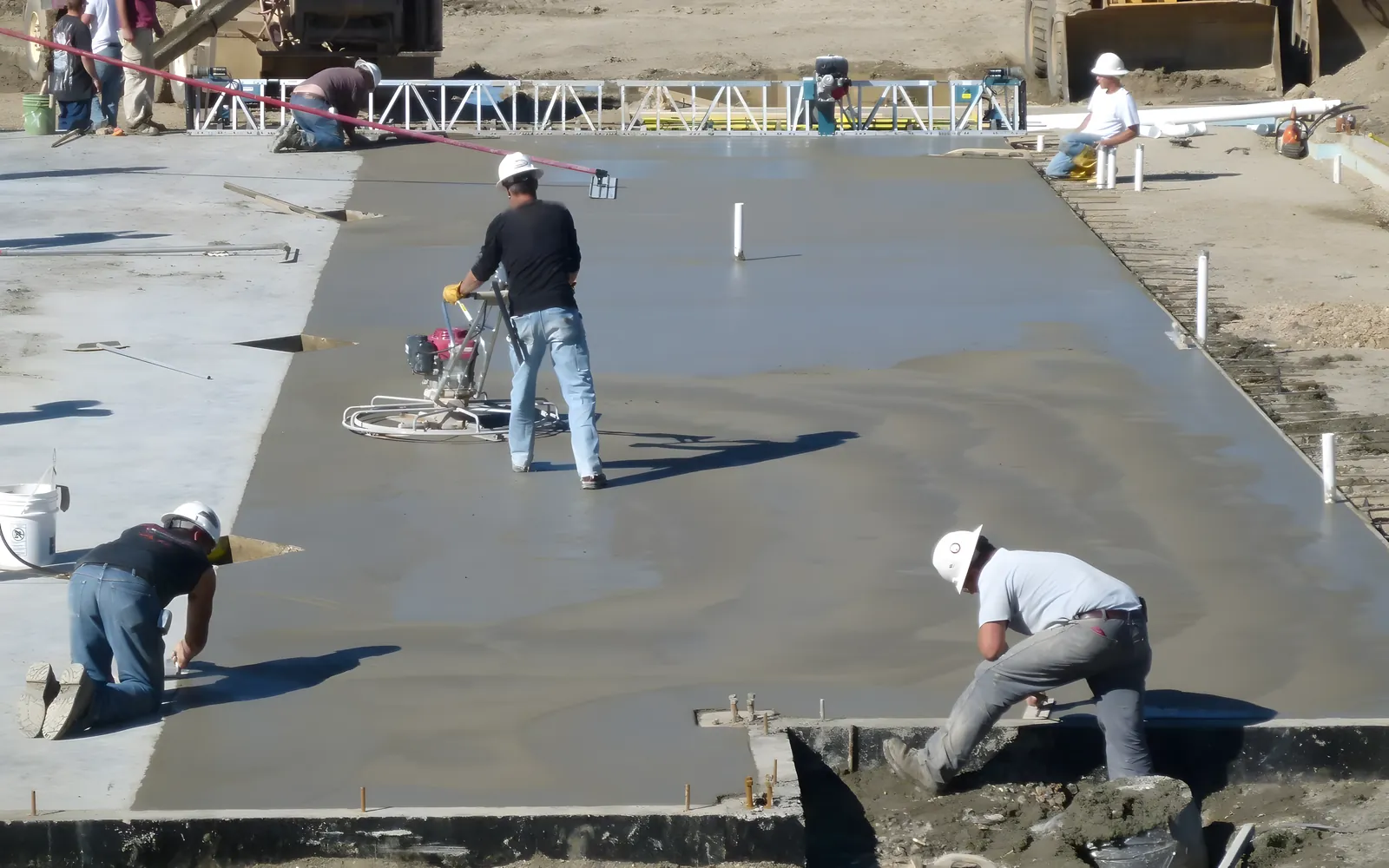
- Exposed concrete such as external slabs, paving, kerbs and hardstandings that will face freezing and de-icing salts. BS 8500 sets out freeze and thaw exposure classes and the use of air entrainment for concrete.
Admixtures for masonry mortar are covered by BS EN 934-3, and admixtures for concrete by BS EN 934-2.
When should you avoid air entrainment?
- Where high compressive strength is the overriding requirement and exposure to frost is not a concern.
- In hard trowelled or power floated concrete floor slabs, where entrained air can increase the risk of surface blistering and delamination.
- Wherever a specification limits air content. Always follow the project specification.
Should you choose a liquid or powder AEA?
Both do the same basic job. The right choice depends mainly on how the mix is made.
| Liquid air entrainer | Powder air entrainer | |
|---|---|---|
| How it is added | Dosed with the mixing water | Blended with the dry ingredients |
| Best suited to | Mixes batched wet, at a plant or on site | Factory made dry mortars, bagged or silo |
| Typical users | Concrete and mortar producers, contractors | Dry mortar manufacturers |
A powder AEA can also be one component of a wider additive package. UKCP develops bespoke "black box" additive packages for dry mortar manufacturers, built around the raw materials used on the customer's own production site. Read more in our article on bespoke additive packages.
How do you control air content?
Good practice for any air entrained mix includes:
- Dose accurately. Use the dosage the manufacturer recommends for your mix and measure it consistently.
- Keep mixing consistent. Use the same mixing time and sequence for every batch.
- Test the fresh mix. Air content is usually measured with a pressure method: BS EN 1015-7 for fresh masonry mortar and BS EN 12350-7 for fresh concrete.
- Retest when materials change. A new sand source, a different cement or a change in temperature can all alter the air content.
- Trial first. Run trial mixes with your own materials before full production.
How UKCP can help
UKCP supplies Liquid AEA and Powder AEA as part of its mortar admixtures range, and air entrainers can be built into a bespoke blend through our bespoke formulation service. For product datasheets, visit the datasheets page. For dosage guidance, speak to our technical support team, and to test a product with your own materials, request a sample.