Industry Insight
Choosing the Right Screed Admixture for Your Project
A screed admixture changes how a sand and cement screed mixes, finishes, gains strength and dries. This guide explains how to match the right admixture to your project.
5 min read UKCP Technical Team
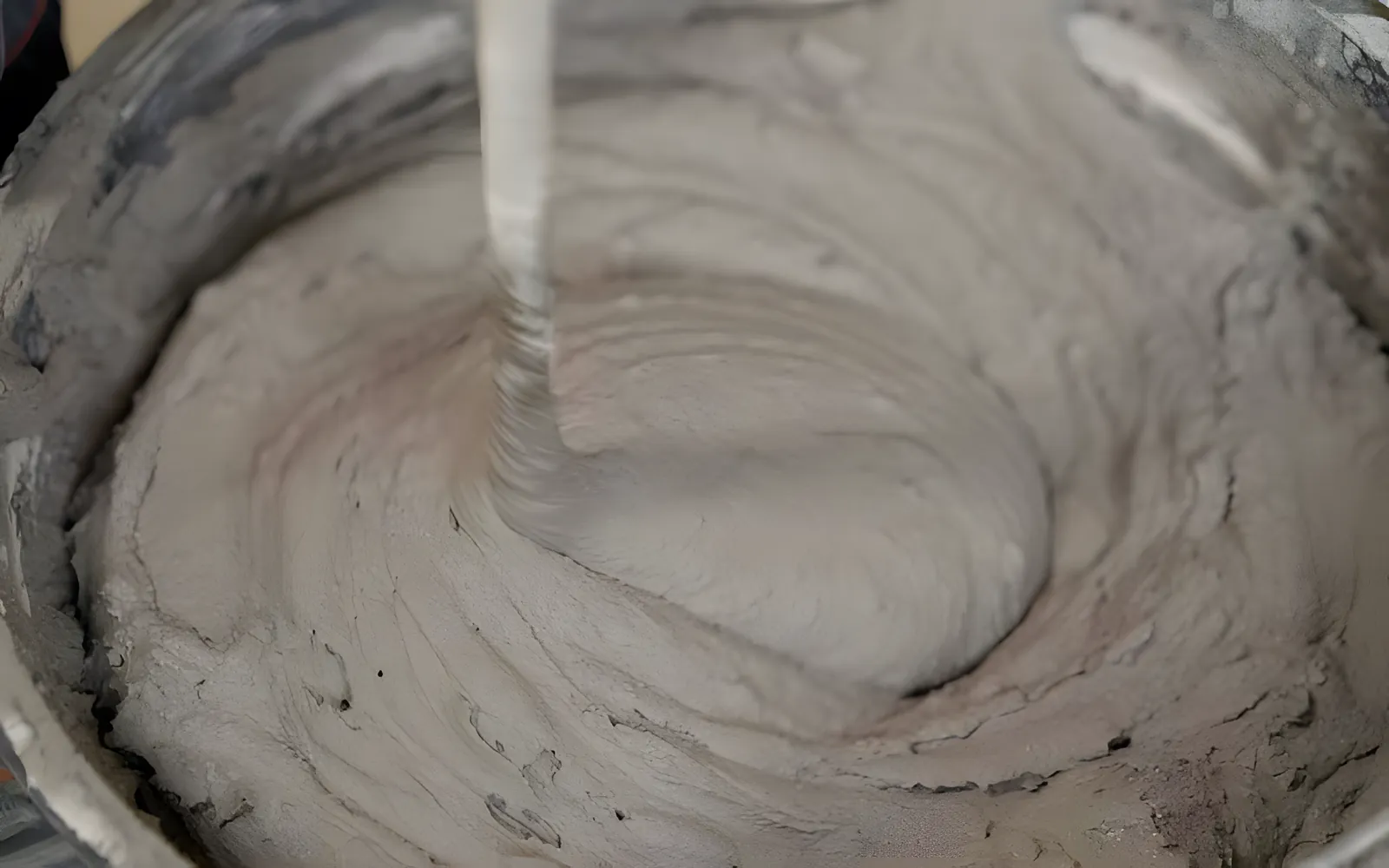
The right screed admixture is the one that solves the problem your project actually has, whether that is a tight programme, a thin screed, underfloor heating or a more consistent finish. Start with the programme, the screed type and the thickness, then choose between liquid and powder dosing to suit how the screed will be mixed on site.
Key takeaways
- Screed admixtures change how a sand and cement screed mixes, finishes, gains strength and dries.
- Decide what matters most on your project: drying time, early strength, low shrinkage or simple dosing.
- Liquid admixtures suit measured dosing at the mixer, while powder sachets remove measuring on site.
- No admixture removes the need to control mix water or to test moisture before laying floor coverings.
- The UKCP technical team can help you match an admixture to your specification.
What does a screed admixture do?
A screed admixture is a product added in small quantities to a cementitious screed during mixing to change its properties. In sand and cement screeds, admixtures are typically used to:
- reduce the amount of water needed for a workable mix (a plasticising or water reducing action)
- improve compaction and finishing
- increase early and ultimate strength
- reduce drying shrinkage
- shorten the time before the screed can take foot traffic and floor coverings
Less water is the common thread. Any water that is not needed for the cement to hydrate has to evaporate before floor coverings can go down, and excess water also weakens the screed and increases shrinkage. That is why a well chosen admixture and careful control of mix water always go together.
What should you ask before choosing a screed admixture?
How tight is the programme?
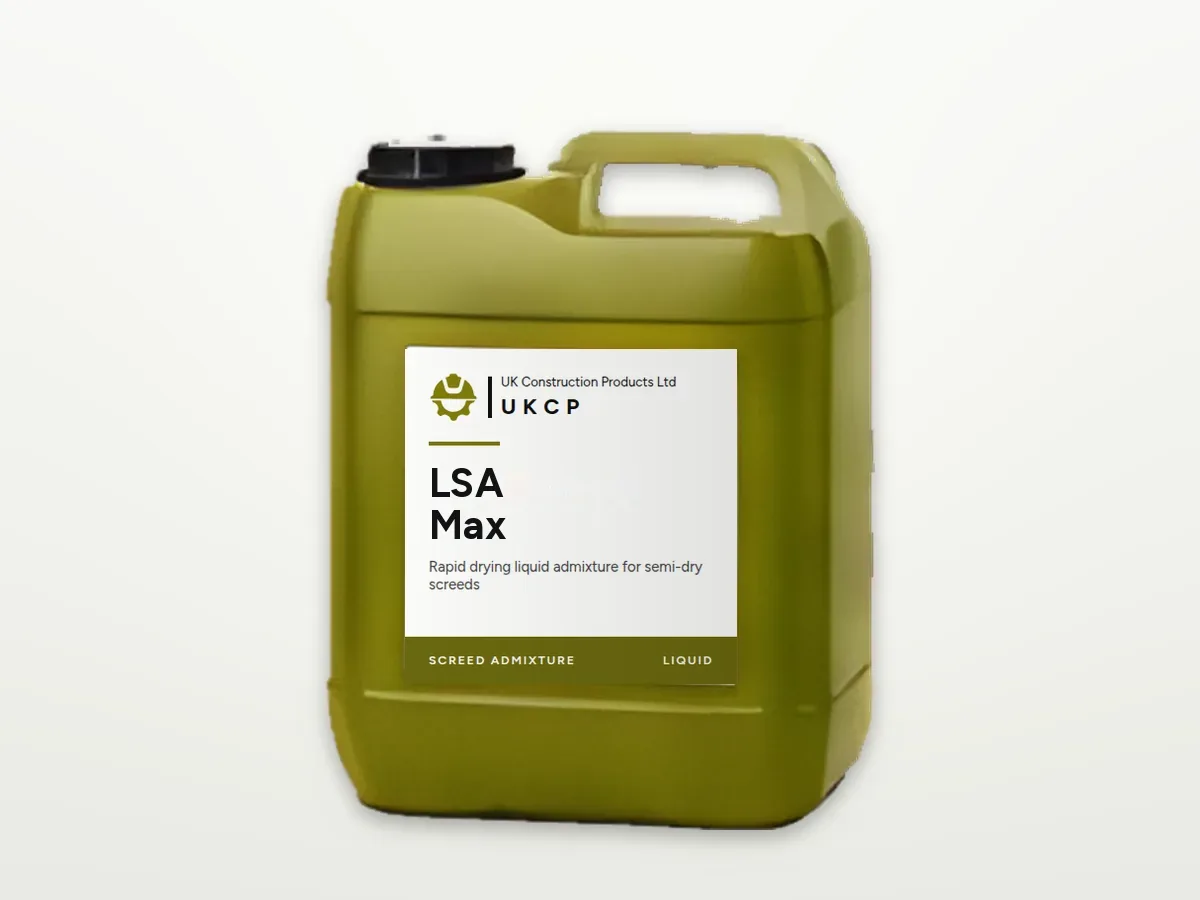
If the flooring contractor is due on site soon after screeding, drying time is the priority. Rapid drying admixtures such as LSA Max and PSA are formulated with this in mind.
How thick is the screed, and is it bonded, unbonded or floating?
Thicker screeds hold more water and take longer to dry. BS 8204-1 gives recommendations for sand and cement levelling screeds, including minimum thicknesses for bonded, unbonded and floating construction. Where floor build up is restricted, an admixture that allows a thinner screed without compromising strength can be the answer. LSA Max can be laid from 20mm bonded and 35mm unbonded.
Is there underfloor heating?
Heated screeds need good flexural strength to cope with thermal movement, and they must be cured before the heating is commissioned. LSA Max and PSA are both suitable for use over underfloor heating.
What floor finish will follow?
Tiles, natural stone, timber, resilient and textile floor coverings all need a sound, level and dry screed. Include the floor covering manufacturer's requirements for strength, surface regularity and moisture in your decision.
How will the screed be mixed and dosed?
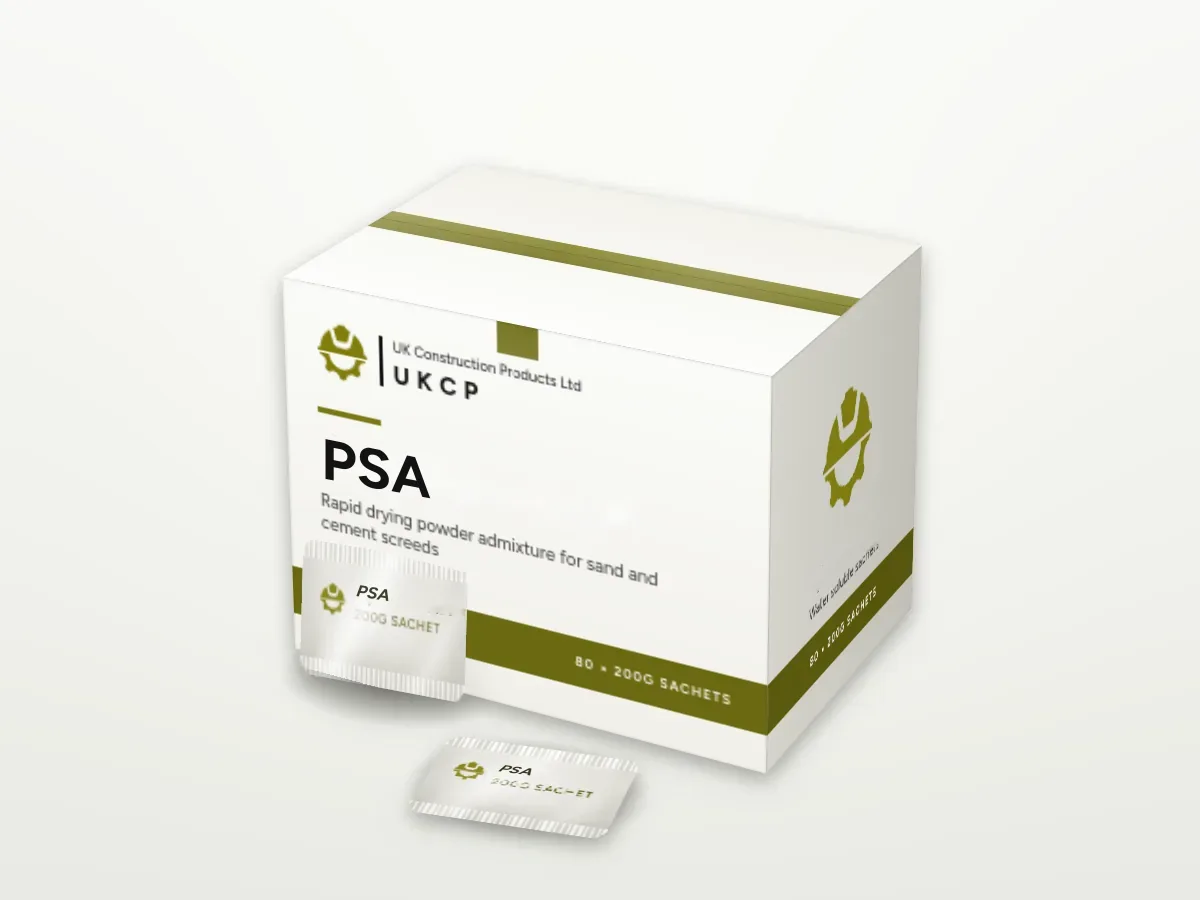
Liquid admixtures are measured into the mixer and suit contractors and plants with consistent batching. Powder admixtures in pre-weighed water soluble sachets, such as PSA, go straight into the mixer with no measuring, which reduces the risk of dosing errors on a busy site.
Is the screed internal or external?
LSA Max is suitable for internal and external applications.
How do UKCP's screed admixtures compare?
The table below summarises our published product information. Always confirm details against the current technical datasheets.
| LSA Max | PSA | |
|---|---|---|
| Form | Liquid | Powder in water soluble sachets |
| Screed type | Semi-dry | Traditional sand and cement |
| Main focus | Very rapid drying and high early strength | Rapid drying and improved strength |
| Foot traffic | After 24 hours | Light traffic after 24 hours |
| Strength | Cat A, C40, F7, up to 60 N/mm² | ISCR Cat A or B depending on mix design, over 25 N/mm² |
| Underfloor heating | Yes | Yes |
| Supply | 20 and 200 litre drums, 1000 litre IBCs | 200g sachets, 80 sachets per box |
LSA Max
LSA Max combines next generation technology for very rapid drying and high early strength. It allows foot traffic after 24 hours and thinner screeds without compromising strength. Read more in our LSA Max product news.
PSA
PSA is a powder admixture for traditional sand and cement screeds, supplied in 200g water soluble sachets for easy addition on site with no measuring or mess. It provides rapid drying so floor coverings can be applied earlier, and the screed can be lightly trafficked after 24 hours. See our guide to using PSA sachets.
What mistakes should you avoid?
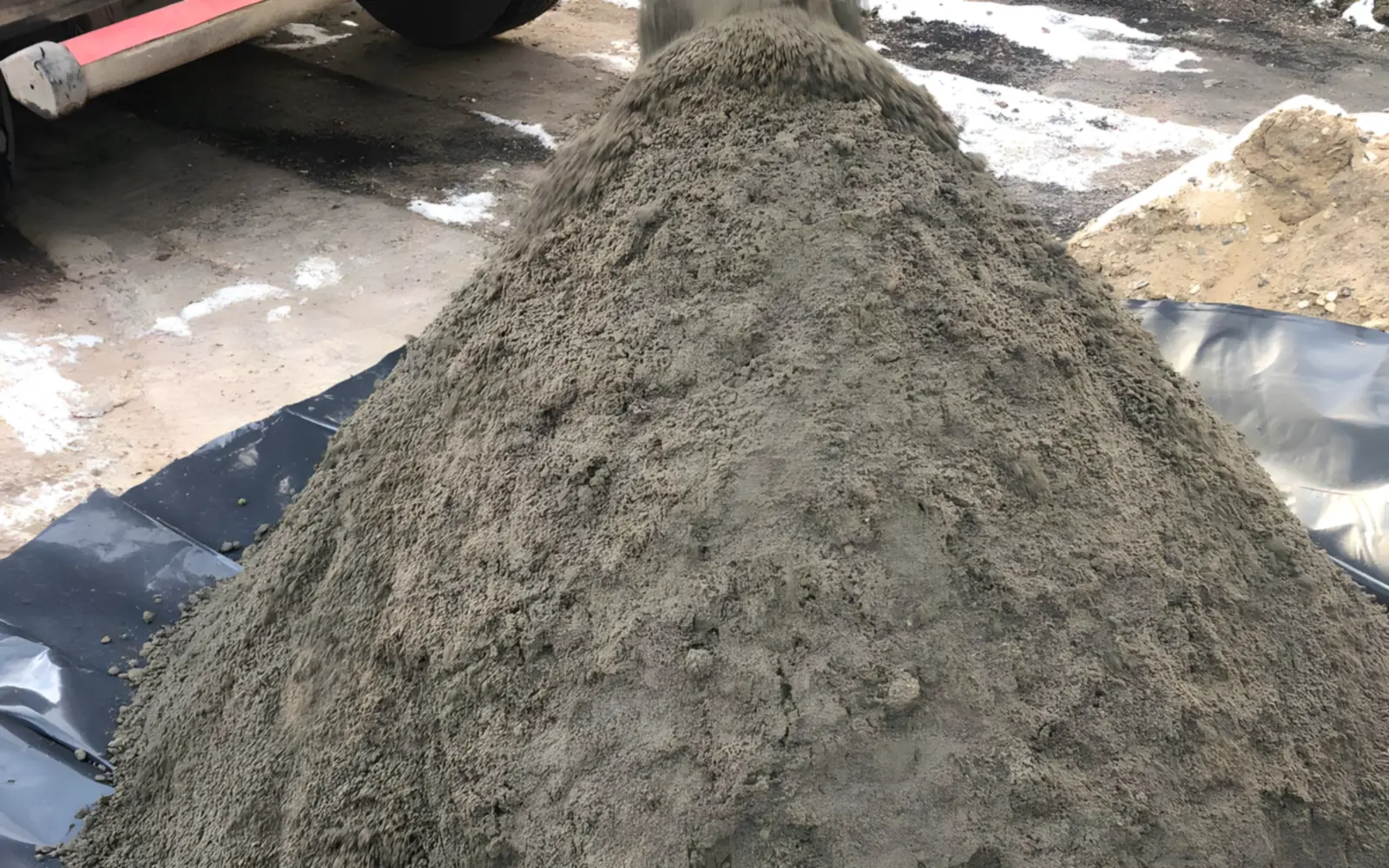
- Adding extra water. More water makes a semi-dry screed easier to spread but slows drying and reduces strength. The mix should form a firm ball in the hand with no water squeezed out.
- Expecting an admixture to fix poor workmanship. Poor compaction, an unprepared base or inadequate curing will still cause problems.
- Skipping moisture testing. Even rapid drying screeds should be tested before floor coverings are laid. Our article on screed drying times explains how.
- Forcing a screed dry too early. Heaters, dehumidifiers or underfloor heating used too soon can cause cracking and curling.
- Guessing the dosage. Always use the dosage the manufacturer recommends for your mix.
Get help choosing a screed admixture
Send us the details of your project: screed type, thickness, base, heating, programme and floor finish. The UKCP technical support team will recommend a suitable admixture, and you can request a sample to trial it. Manufacturers who need an admixture tailored to their own raw materials can also ask about our bespoke formulation service.