Application Guide
Using PSA Water Soluble Sachets in Sand and Cement Screeds
How to use PSA, UKCP's powder screed admixture supplied in 200g water soluble sachets, to produce rapid drying traditional sand and cement screeds.
5 min read UKCP Technical Team
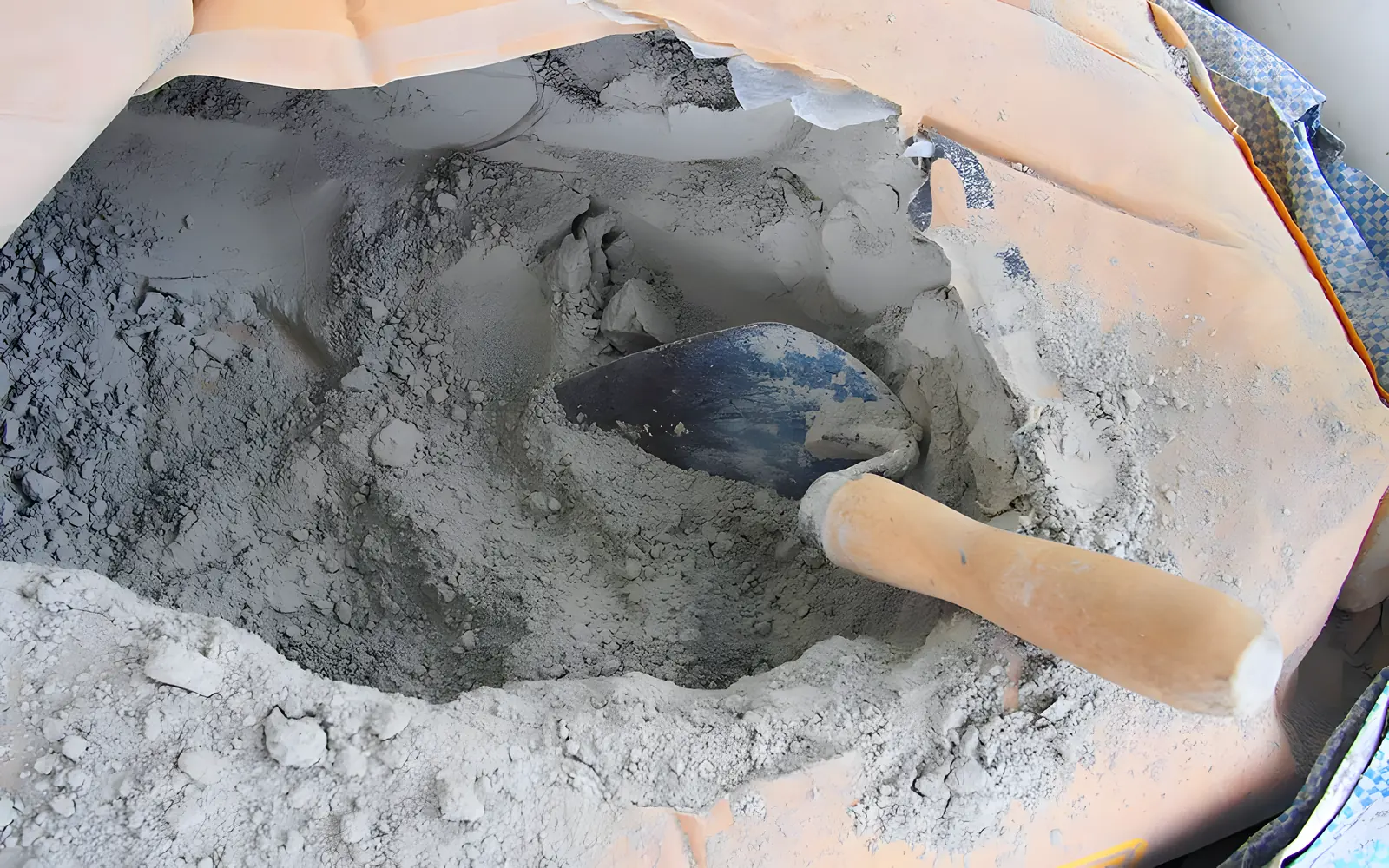
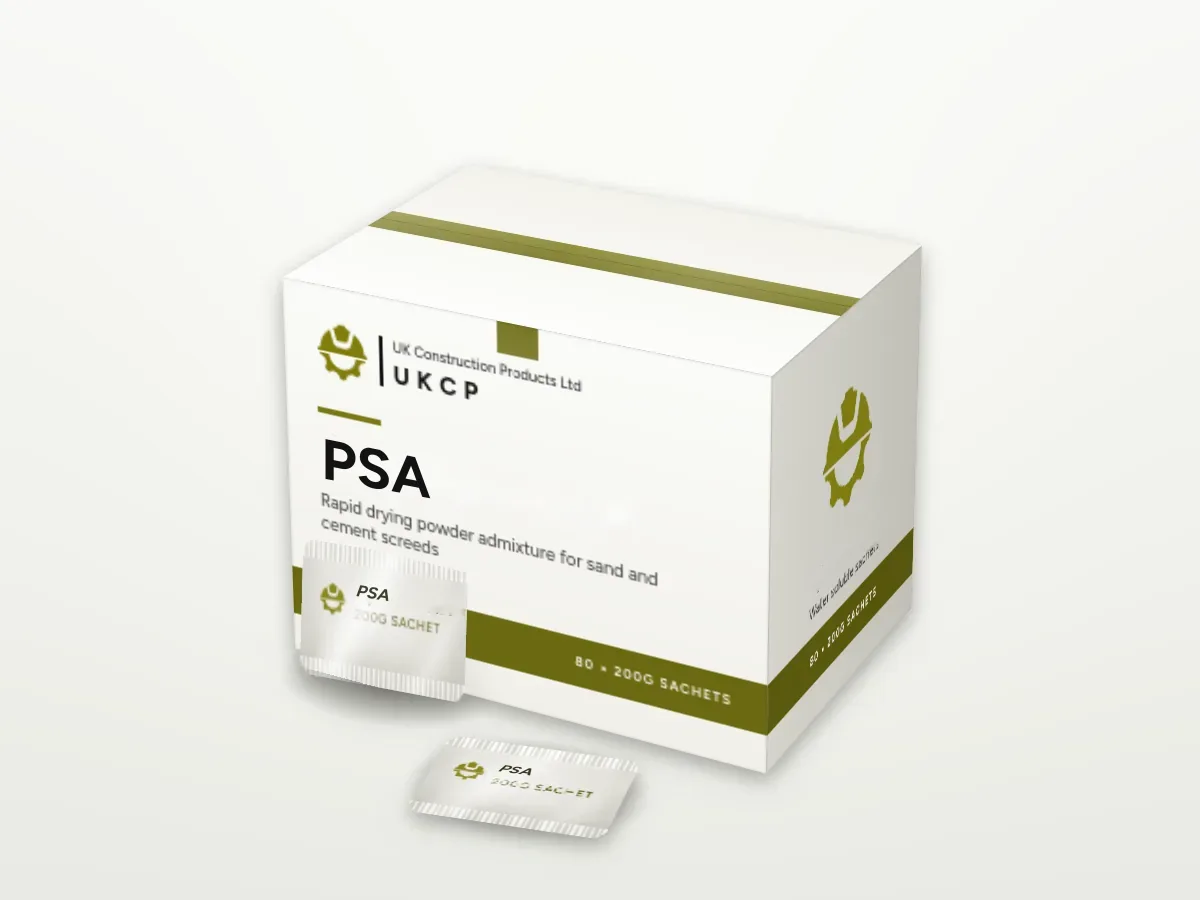
PSA is a powder admixture for traditional sand and cement screeds, supplied in 200g water soluble sachets that go into the mixer without any measuring. It is formulated to provide rapid drying and improved strength, so floor coverings can be applied earlier, and the pre-weighed sachets make dosing on site quick and clean.
Key takeaways
- PSA is added in water soluble sachets: easy addition on site, with no measuring or mess.
- It suits bonded, unbonded and floating screeds, including screeds over underfloor heating.
- It is used in the standard screed mix of cement and sand in a ratio between 1:3 and 1:5.
- Screeds can be lightly trafficked after 24 hours, and floor coverings can typically follow one to three weeks after casting.
- Check screed moisture in line with BS 8203 before laying floor coverings.
What is PSA?
PSA is part of the UKCP screed admixtures range. It is designed for screeds that are bonded to the substrate, unbonded or floating. The standard screed mix of cement and sand in a ratio between 1:3 and 1:5 creates a level layer to receive the final floor finish, such as tiles, wood, linoleum or vinyl. Traditional screeds of this kind are generally suitable for hospitals, schools, retail and homes.
PSA:
- provides rapid drying, enabling earlier application of floor coverings
- allows the screed to be lightly trafficked after 24 hours
- is suitable for all normal screed applications, including over underfloor heating
- produces screeds which comply with ISCR Category A or B, depending on the mix design
- gives a compressive strength of more than 25 N/mm²
Why use a water soluble sachet?
On a busy site, measuring small quantities of admixture by hand is easy to get wrong. A pre-weighed water soluble sachet removes that step. The dose is fixed, there are no measuring jugs or scoops to clean, and there is no spilt powder. It also makes it easy to check how much admixture has been used on a job, simply by counting sachets.
Before you start
- Read the datasheet and SDS. Read the PSA technical datasheet and the safety data sheet (SDS) before you start, and ask our technical support team how many sachets your batch size needs.
- Wear PPE. Use waterproof gloves, eye protection, knee pads and suitable footwear, and respiratory protection when handling cement. Wet cement is alkaline and can irritate or burn skin and eyes.
- Store sachets dry. Keep sachets in their box in dry conditions until you need them, and handle them with dry hands, as they are designed to dissolve in water. Stored at normal temperature in dry conditions, PSA has a minimum shelf life of 24 months.
- Check the base. Make sure the base is sound, clean and prepared for the type of screed being laid: bonded, unbonded on a membrane, or floating on insulation. For heated floors, see our guide to laying semi-dry screed over underfloor heating.
Step by step: using PSA
1. Plan the mix and batch size
Confirm the mix design, the cement to sand ratio (between 1:3 and 1:5), the screed thickness and the batch size. Confirm with our technical team how many sachets each batch needs, and plan batch sizes around whole sachets so the dose stays consistent.
2. Load the mixer
Add the sand, cement and PSA sachets to the mixer in the order our technical support team advises for your mixer. The sachets go in whole and dissolve during mixing, so there is no need to open them.
3. Add water carefully
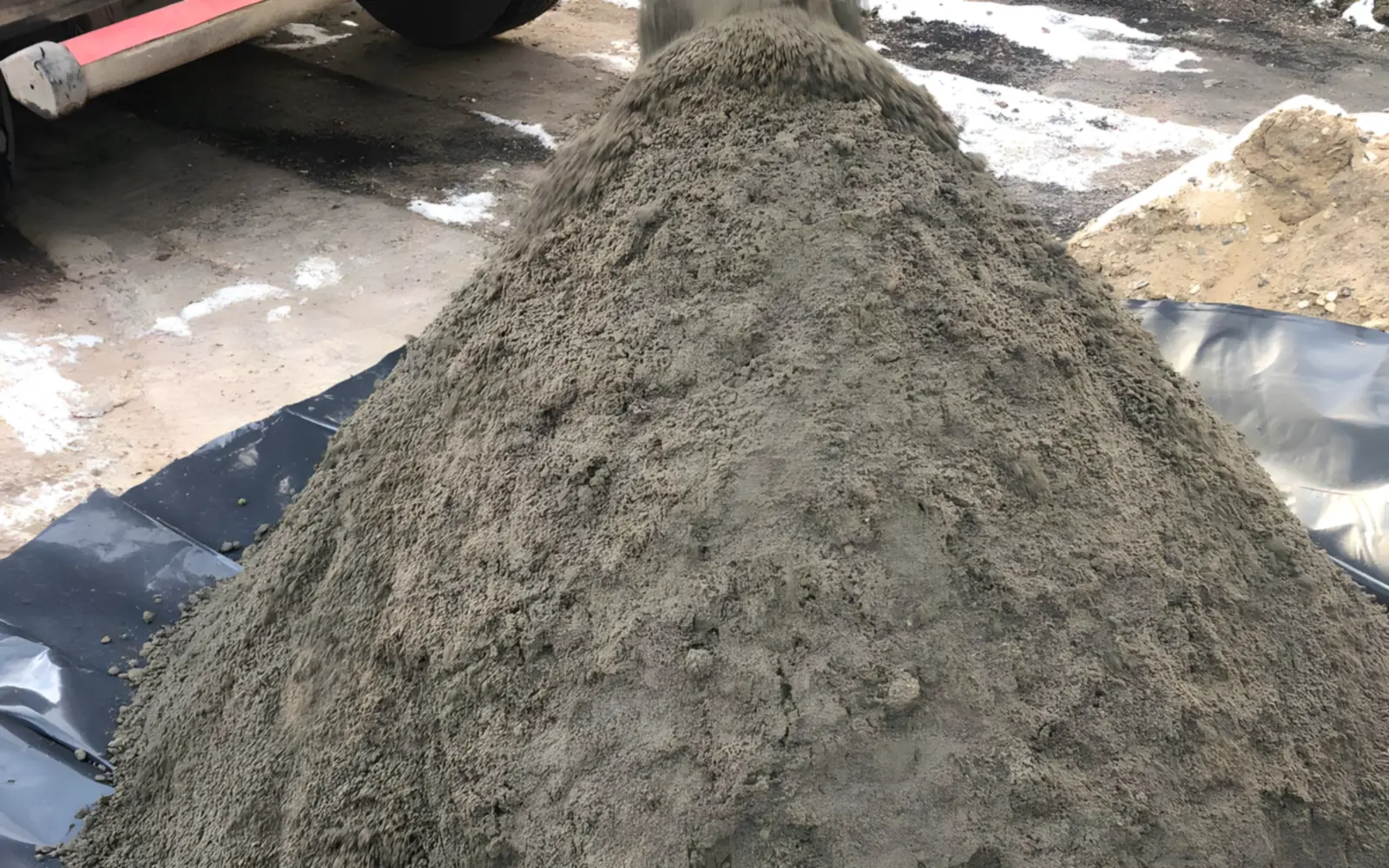
Traditional sand and cement screeds are laid at a semi-dry, earth damp consistency. Add water gradually and do not over water the mix, as surplus water slows drying and reduces strength. Sand is often delivered wet, so allow for its moisture content. A ball of the mix squeezed in the hand should hold its shape without water running out.
4. Mix thoroughly
Mix for long enough for the sachets to dissolve fully and for the admixture to disperse evenly through the screed. Use the same mixing time for every batch so the screed is consistent across the floor.
5. Lay and compact
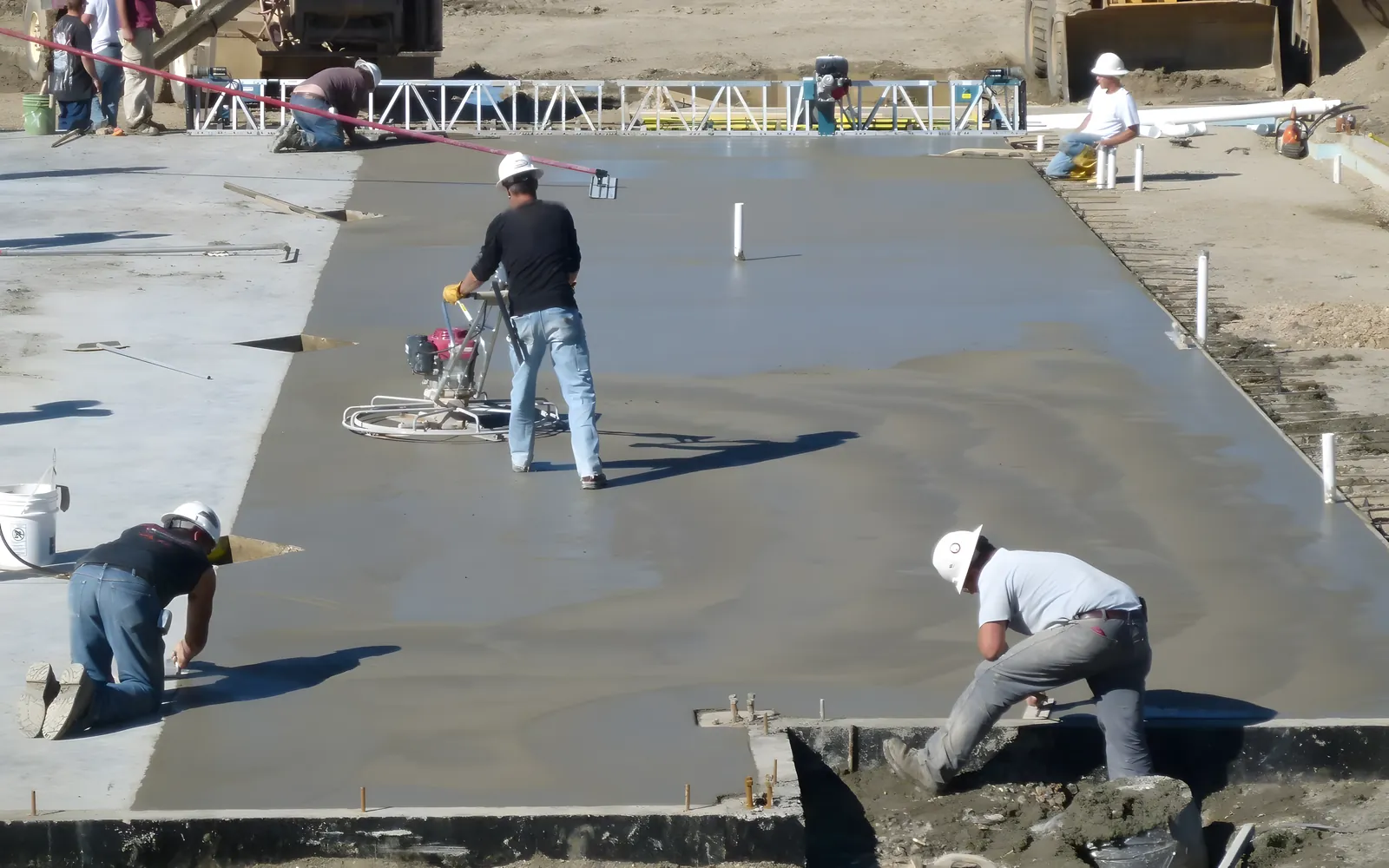
Place the screed in manageable bays and compact it thoroughly with a tamper, paying particular attention to edges, corners and any areas around pipes. Good compaction is essential for strength.
6. Level and finish
Rule off to level with a straight edge between screed rails or levelling guides, then close the surface with a float to suit the floor finish that will follow.
7. Protect and cure
Protect the sand and cement screed from premature drying caused by wind, strong sun and forced drying conditions. Ask our technical support team for curing advice for PSA screeds.
8. Allow light traffic after 24 hours
The screed can be lightly trafficked after 24 hours. Keep heavy loads, wheeled traffic and spills off the young screed, and protect it from other trades.
9. Allow time to dry
Our drying guidance for PSA is summarised below. Typically, floor coverings can be installed between one and three weeks after casting, depending on the screed thickness and drying conditions.
| Screed thickness | Average drying time before laying floor coverings |
|---|---|
| 50 to 75mm | Allow about seven days per 25mm of thickness |
| Less than 50mm | May be reduced to about 3 days, subject to the substrate being free from moisture |
Low temperatures or excessive moisture in the underlying concrete will delay drying.
10. Test moisture before laying floor coverings
Before laying the floor covering, check the moisture of the screed to make sure it complies with the recommendations of BS 8203. Our article on screed drying times explains the hygrometer method and what affects drying.
Common mistakes to avoid
- Over watering the mix, especially when the sand is already wet
- Splitting sachets or using part sachets, which makes the dose inconsistent
- Storing opened boxes where sachets can get damp
- Letting wind, sun or heaters dry the screed before it has cured
- Laying floor coverings without first checking the screed moisture
PSA or a liquid admixture?
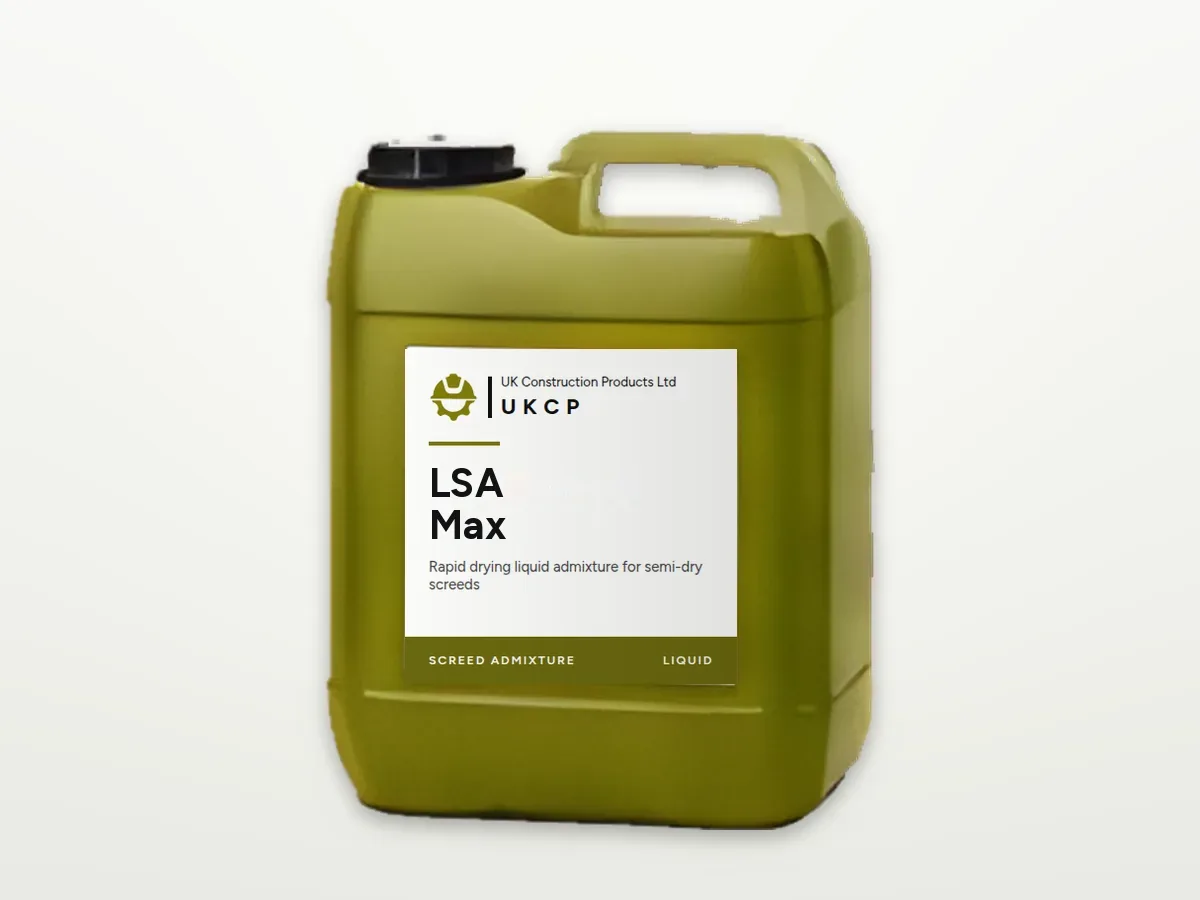
PSA is ideal where contractors want simple, mess free dosing in traditional sand and cement screeds. If you batch screed with liquid dosing equipment, or you need very rapid drying or a thinner screed, compare it with the liquid admixture LSA Max in our guide to choosing the right screed admixture.
Need help using PSA?
For batch sizes, mix designs or drying advice, contact our technical support team. You can download the technical datasheet or request a sample to try PSA on your next screed.