Product News
LSA Max: Rapid Drying and Foot Traffic in 24 Hours
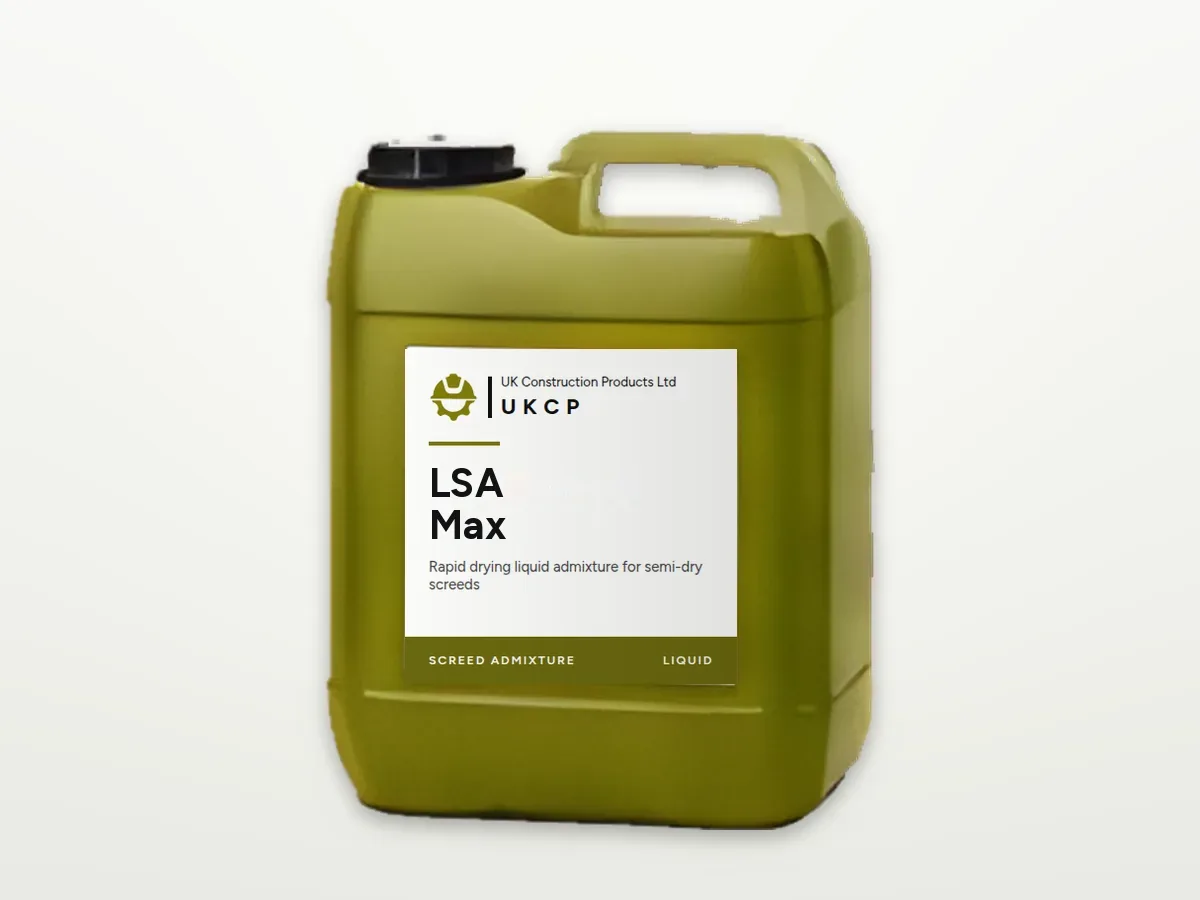
LSA Max is UKCP's liquid admixture for semi-dry screeds, developed to deliver very rapid drying, high early strength and foot traffic after 24 hours.
5 min read UKCP Technical Team
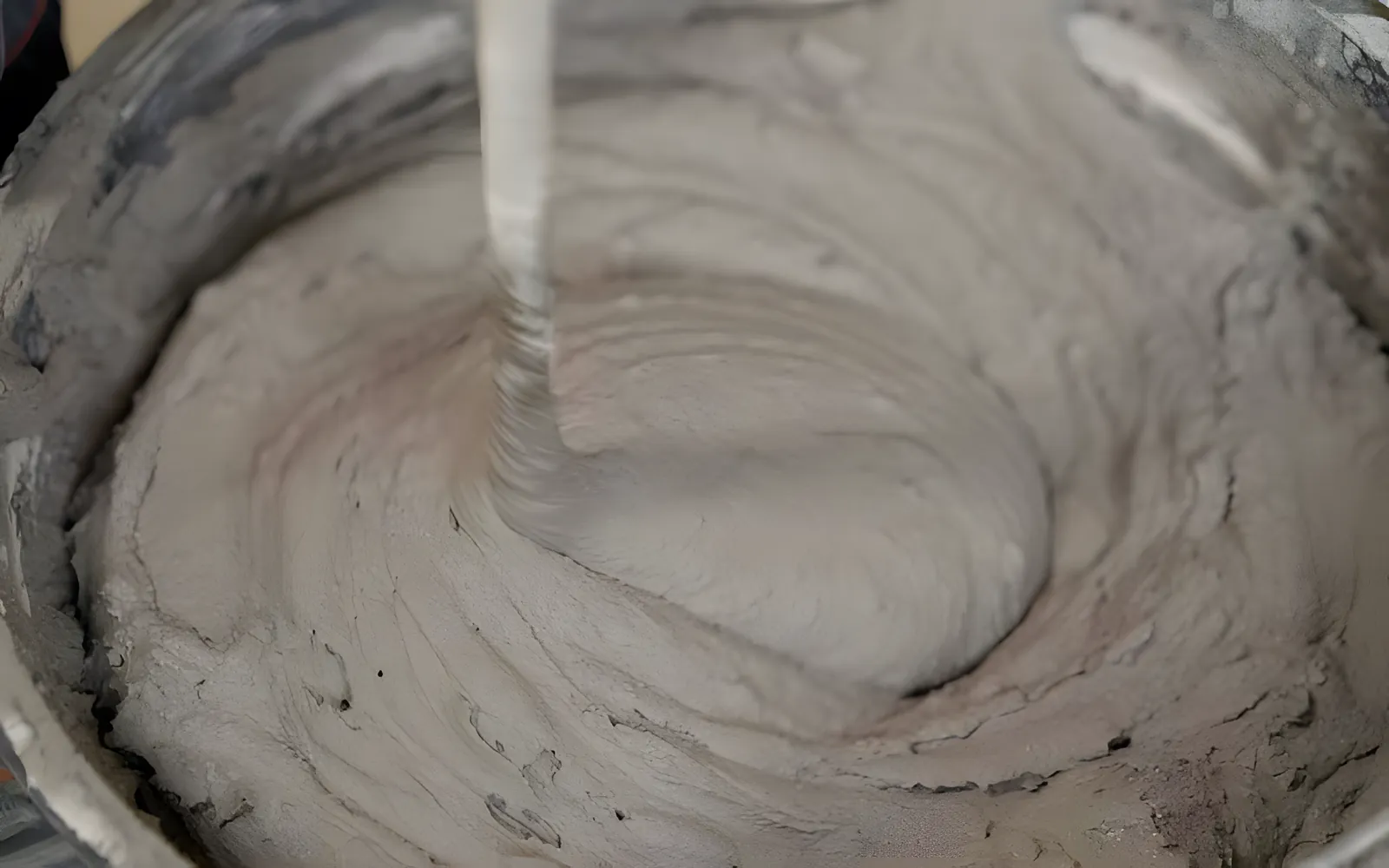
LSA Max is a liquid admixture for semi-dry sand and cement screeds, developed for very rapid drying and high early strength. Added during mixing, it allows foot traffic after 24 hours and can produce a Cat A, C40, F7 screed, helping contractors hand floors over to the following trades sooner.
Key takeaways
- LSA Max is a liquid admixture for semi-dry screeds in bonded, unbonded and floating constructions.
- It is designed for very rapid drying times, with foot traffic possible after 24 hours.
- It can produce a Cat A, C40, F7 screed, and compressive strengths of up to 60 N/mm² can be achieved.
- It allows thinner screeds, from 20mm bonded and 35mm unbonded, without compromising strength.
- It is ideal for underfloor heating and suitable for internal and external applications.
What is LSA Max?
LSA Max is a unique, innovative liquid screed admixture that combines next generation technology for rapid drying times and high early strengths. It is part of the UKCP screed admixtures range, alongside the powder sachet admixture PSA.
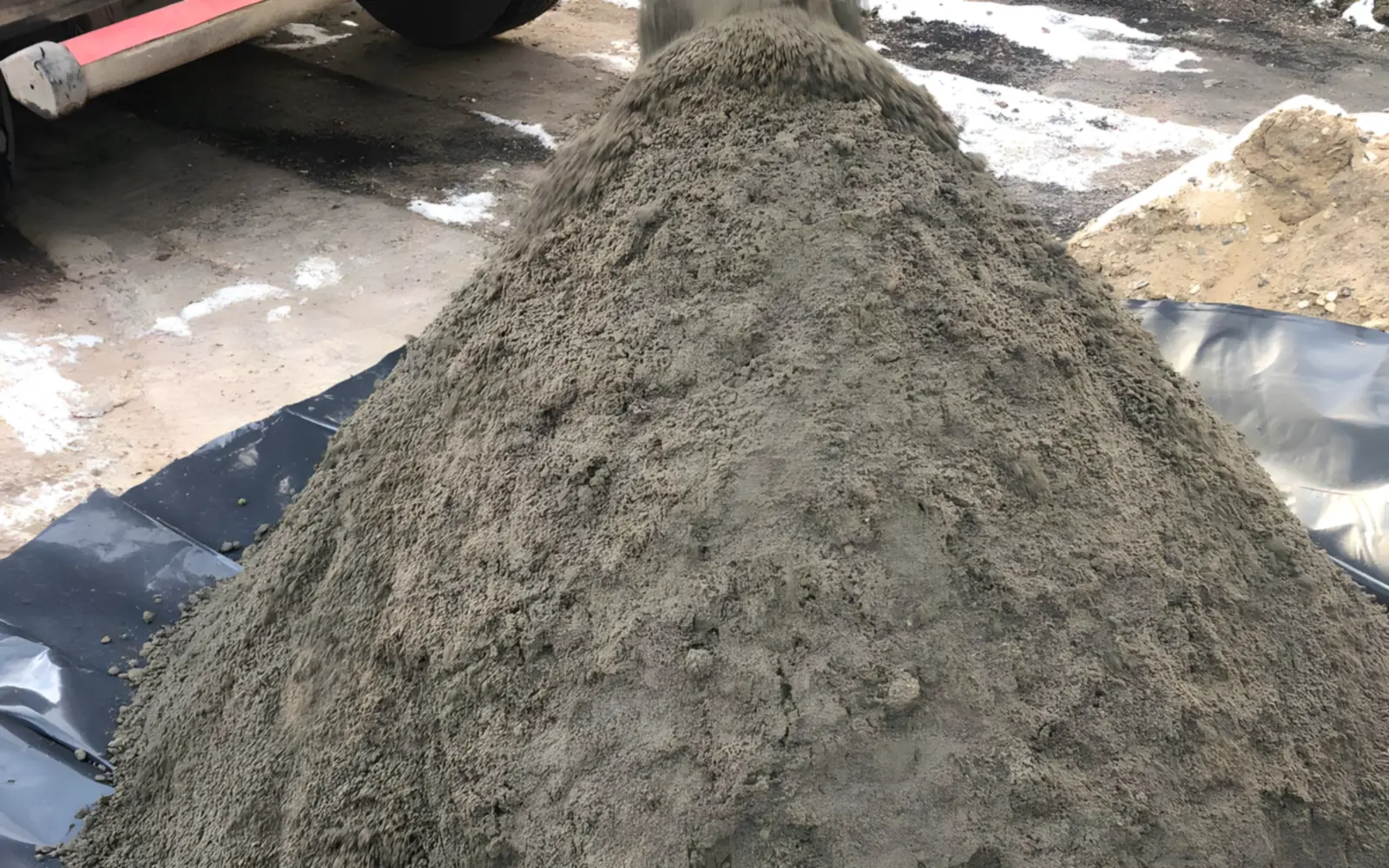
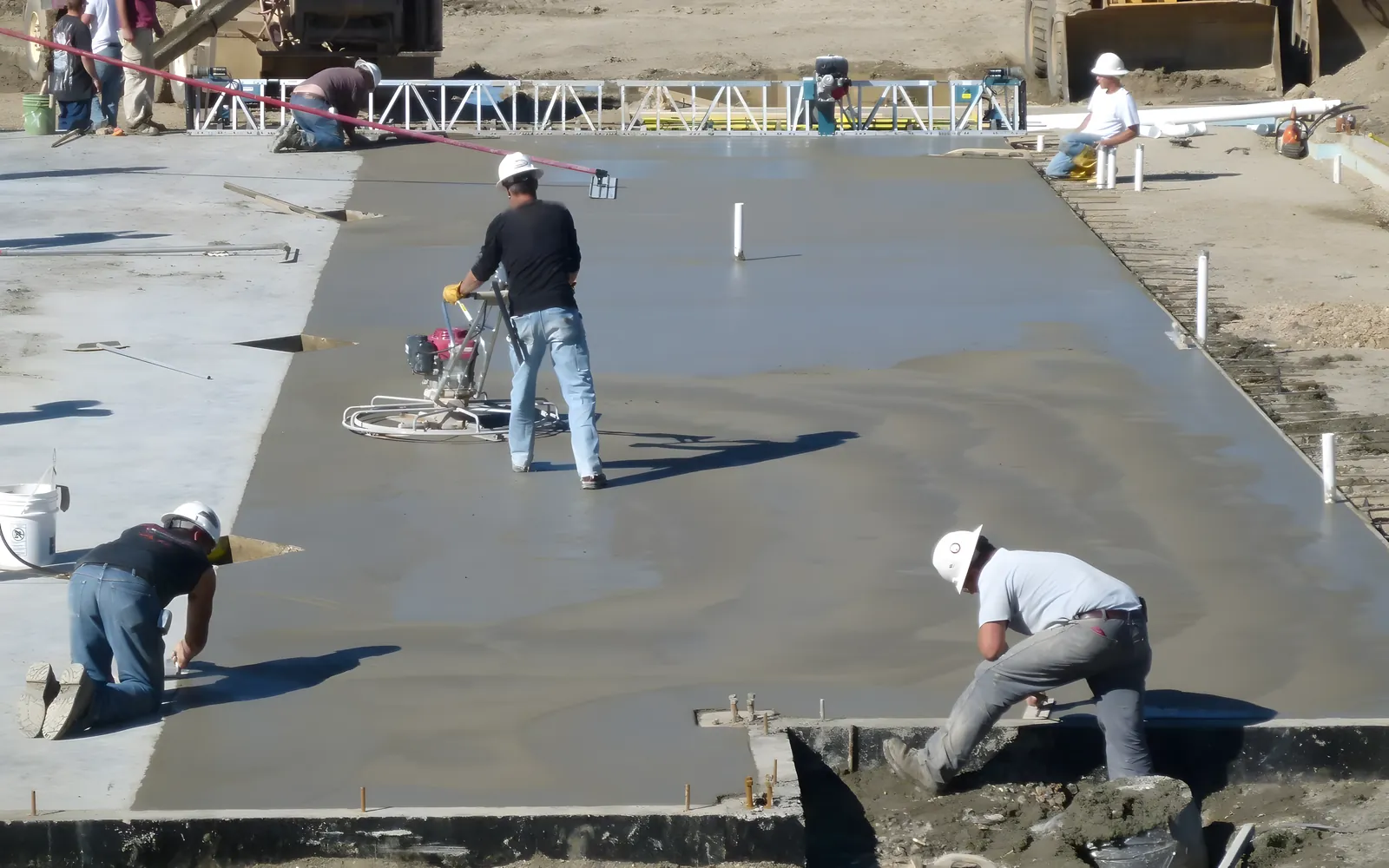
It has been developed specifically for semi-dry screeds: the earth damp sand and cement mixes that are compacted, ruled off and finished by hand or with a power float. LSA Max is used in bonded, unbonded and floating screeds, which covers most levelling screed work on residential, commercial and public sector projects.
Why does screed drying time matter?
On most projects the screed sits on the critical path. Floor finishes such as vinyl, timber, carpet and tiles cannot go down until the screed is dry enough to receive them, and a traditional sand and cement screed can take weeks to reach that point. Every day of waiting pushes back the trades that follow.
An admixture that speeds up drying and strength gain helps in three ways:
- Earlier access. Other trades can walk on the floor sooner, which keeps work moving on site.
- Earlier floor finishes. A faster drying screed reaches the moisture level needed for floor coverings sooner, subject to moisture testing.
- Less temptation to rush. When the programme is tight, there is pressure to lay coverings on a screed that is not ready. Designing the screed for rapid drying from the outset is a better answer than forcing it dry.
What are the benefits of LSA Max?
| Benefit | What it means on site |
|---|---|
| Very rapid drying times | Floor coverings can follow sooner, subject to moisture testing |
| Foot traffic after 24 hours | Following trades can access the floor the next day |
| High early compressive and flexural strengths | The young screed is better able to resist site traffic |
| Produces a Cat A, C40, F7 screed | A high performance screed for demanding floors |
| Compressive strengths of up to 60 N/mm² | Extra capacity for heavily used areas |
| Bonded from 20mm, unbonded from 35mm | Thinner screeds without compromising strength |
| Superplasticiser action | Improved finishing |
| Low odour, low VOC content | Better working conditions, particularly indoors |
What does Cat A, C40, F7 mean?
These are classifications that describe screed performance. Under BS EN 13813, the "C" class gives the compressive strength in N/mm² and the "F" class gives the flexural strength in N/mm². A C40, F7 screed therefore has a compressive strength class of 40 N/mm² and a flexural strength class of 7 N/mm². "Cat A" refers to Category A of the in situ crushing resistance (ISCR) test for levelling screeds in BS 8204-1, which allows a smaller indentation than Categories B and C. Together they describe a screed that is strong in compression, resists bending and stands up well to site traffic.
Where can LSA Max be used?
LSA Max is suitable for a wide range of screed applications:
- Bonded screeds, laid directly onto a prepared concrete base, from 20mm thick.
- Unbonded screeds, laid over a separating layer such as a damp proof membrane, from 35mm thick.
- Floating screeds, laid over a layer of insulation.
- Underfloor heating, where the screed covers the heating pipes and spreads heat across the floor.
- Internal and external applications.
Being able to lay thinner screeds without compromising strength is valuable in refurbishment work, where floor to ceiling heights and threshold levels are fixed, and in new build work where every millimetre of floor build up counts. Always check the screed design, the relevant British Standards and the technical datasheet before specifying a reduced thickness.
How do you use LSA Max?
LSA Max is added to a semi-dry sand and cement screed during mixing. The single most important rule is not to over water the mix.
- Allow for wet sand. Sand can be supplied with a high water content, so take this into account before adding mixing water.
- Check the consistency. The correct consistency is semi-dry. A ball of the mix squeezed in the hand should be firm, but no water should squeeze out of it.
- Check the dosage with us. The right dosage depends on your mix, so ask the technical support team before you start. The LSA Max technical datasheet is on the datasheets page.
Excess water is the most common reason a screed dries slowly, loses strength or shrinks. It also works against the admixture, so controlling water is the biggest single thing a screed contractor can do to get the most from LSA Max.
Is LSA Max suitable for underfloor heating?
Yes. LSA Max is ideal for underfloor heating. Good flexural strength is valuable in a heated screed, because the screed has to cope with thermal movement each time the system heats up and cools down. The heating should only be commissioned once the screed is ready, and then brought up to temperature gradually in line with the heating manufacturer's commissioning procedure. Our guide to laying semi-dry screed over underfloor heating covers the process step by step.
How is LSA Max supplied?
LSA Max is supplied in:
- 20 litre drums
- 200 litre drums
- 1000 litre IBCs
It has a minimum shelf life of 12 months when stored at normal temperature in dry conditions.
Which UKCP screed admixture should you choose?
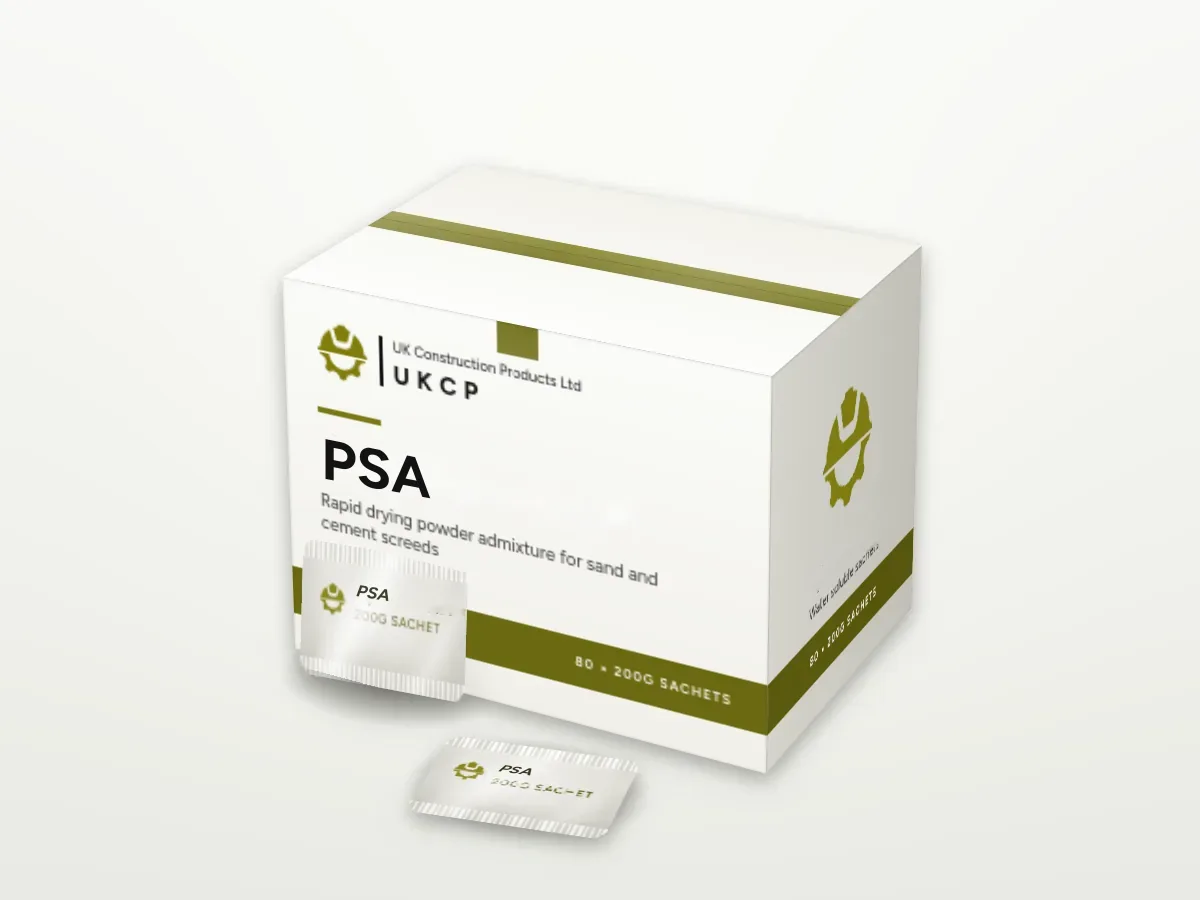
LSA Max is the natural choice when drying time and early strength are the priority. For traditional sand and cement screeds where contractors want to avoid measuring admixture on site, PSA comes in water soluble sachets. Our guide to choosing the right screed admixture compares the range side by side.
Talk to UKCP about LSA Max
If you are planning a project with a tight programme, a thin screed or underfloor heating, the UKCP team can help you decide whether LSA Max is the right fit. Contact technical support for advice, download the technical datasheet or request a sample to try it on your next job.